
Understanding what your reactive dog might struggle with can be so confusing!
It can feel like it’s the world that’s the problem, that there’s no pattern, or that there might be a pattern, but seeing it sometimes can be really difficult. You know that some dogs provoke a stronger reaction, or that some dogs are less problematic.
Sure there are some really obvious times, like when you turn a blind corner and walk straight into the neighbours terrier – but other times it can be a mystery.
Categories
Typically, these dogs fall into a couple of categories;
- Socially rude
- Over energetic
- Dogs whose selective breeding inhibits communication.
All of these play on the insecurities of your reactive dog, where they expect to see a threat, they will see one! But it comes down to nuances of body language a lot of the time.
Why Do You Need To Know This?
Well, to me, one of the toughest things reactive dog parents go through is the not knowing.
Not knowing triggers makes getting a starting point so tough. So I wanted to share a shortlist of dogs who can be problematic for reactive dogs.
These all come from my experience with my reactive dog, and working with reactive dogs.
1 – Dogs With An Intense Stare
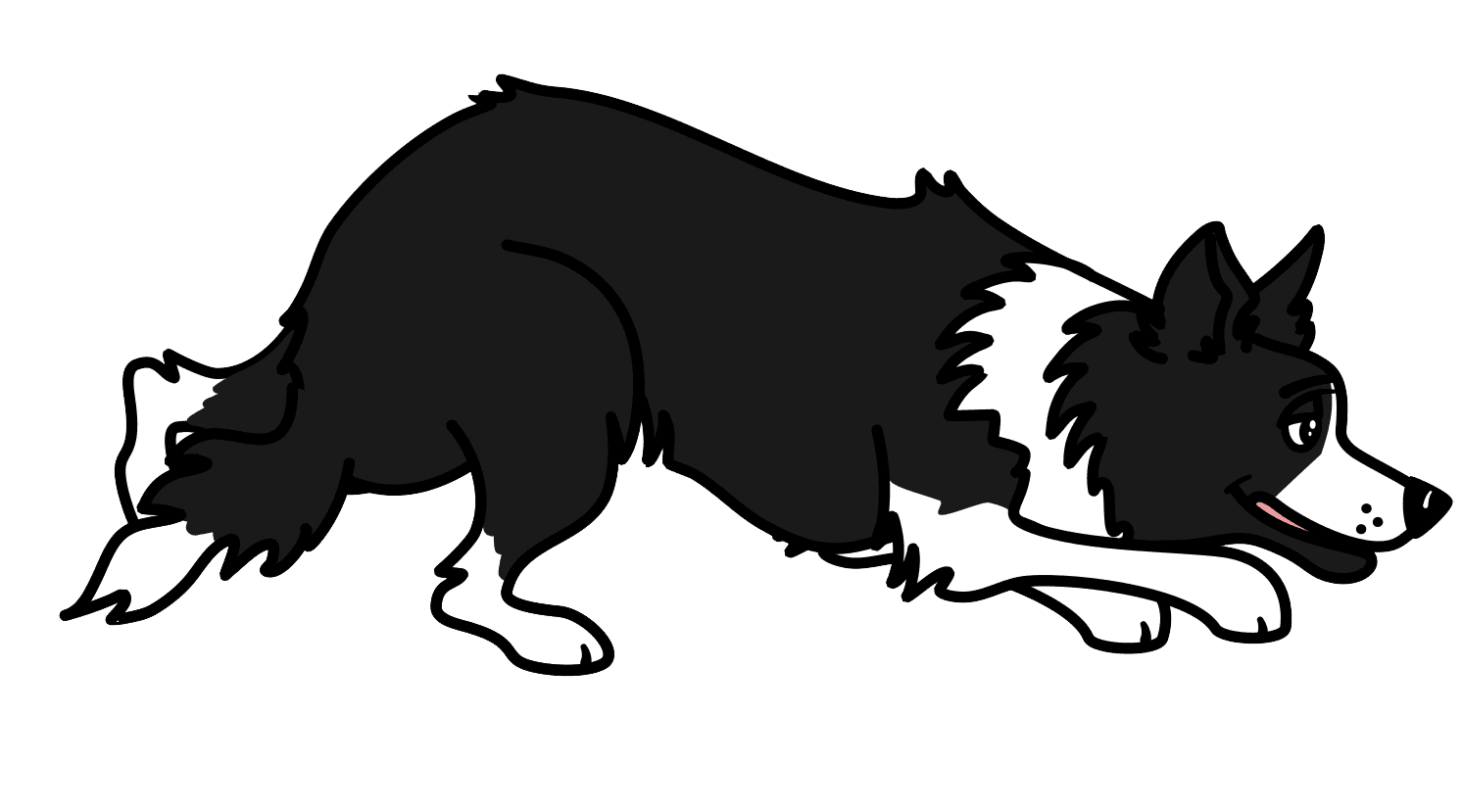
Examples: Border collie,
2 – Untrained Dogs

Consequently, these dogs who don’t, won’t, or haven’t been taught to listen become a huge threat, you have a person behind them yelling, and a dog approaching in an incredibly direct manner.
Example: Any dog.
3 – Running dogs

Normally, a reactive dog’s response to any threat is fight. So, it happens very quickly.
Note: this is often made worse by the fact that running dogs may not be looking at your reactive dog, and may be taking a very direct path, after, say, a ball.
4 – Playful dogs
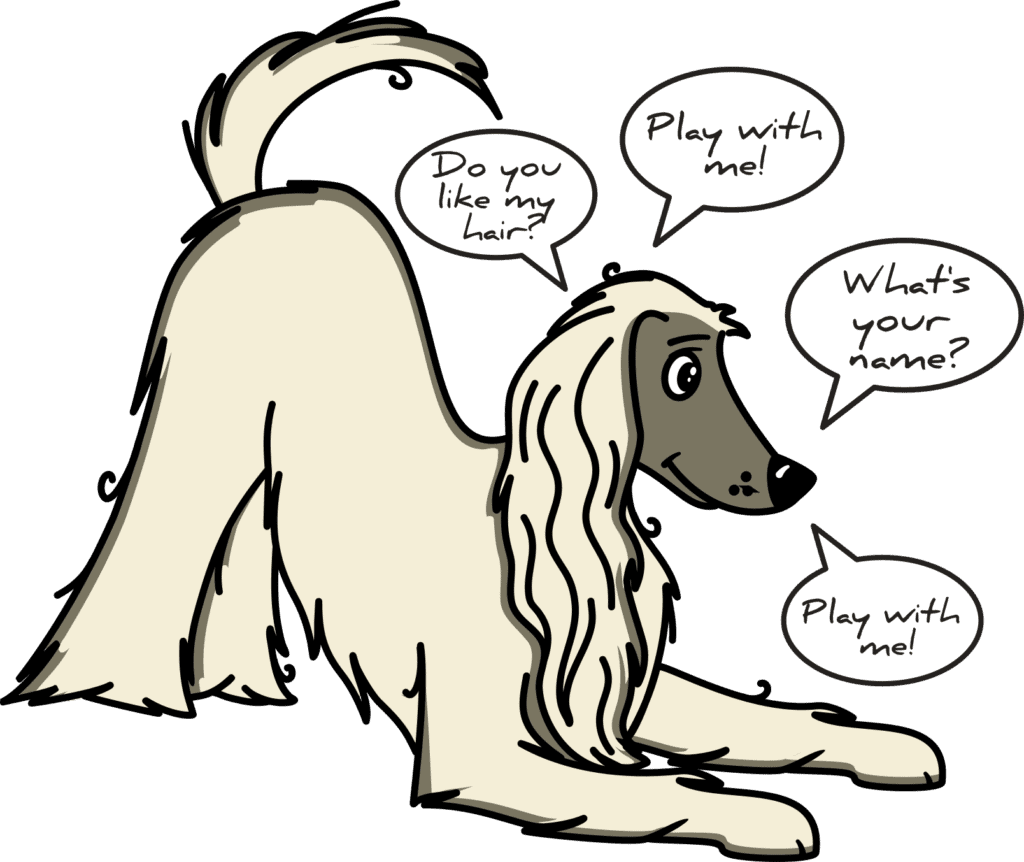
For your reactive dog, the ignoring of a subtle sign gives them no indication that this dog is a dog to be trusted, and can cause them to escalate their behaviour.
It very quickly then becomes a learned response that playful dogs don’t want good things, and hones a negative response.
5 – Rude Dogs

Similar to the playful dog, this tends to mean that your reactive dog can look at these dogs and read “This dog is a threat”.
6 – Chest Proud Dogs
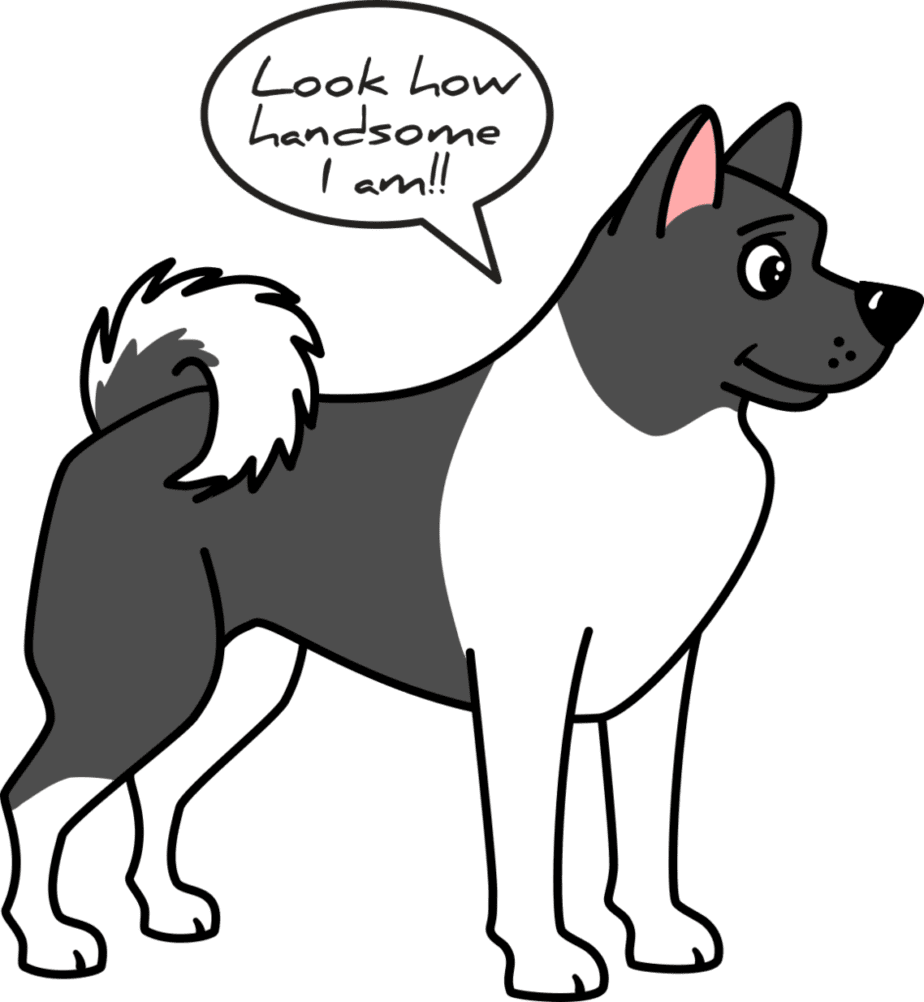
Aesthetically, to us humans, this can look great! But in dog body language, this can be read as a threat. So, when your reactive dog sees a chest proud dog, they can read this dog to be a threat — when they’re not.
Examples: Akitas, Boxers, German Shepherds, Huskies, Bully breeds
7 – Fluffy Dogs or those with unusual coats

Think about talking with another person. If you can see their face, you can tell whether their tone is humourous, or perhaps sarcastic. However, if you now talk to that person under a sheet, would it be so easy to tell their meaning from just the tone of their voice?
It’s easy to see that these dogs can become problematic for an uncertain dog.
Example: Tibetan Mastiff, Komondor, Old English Sheepdog, Portuguese water dog, bearded collie, Some doodle breeds
8 – Brachycephalic (flat faced) breeds
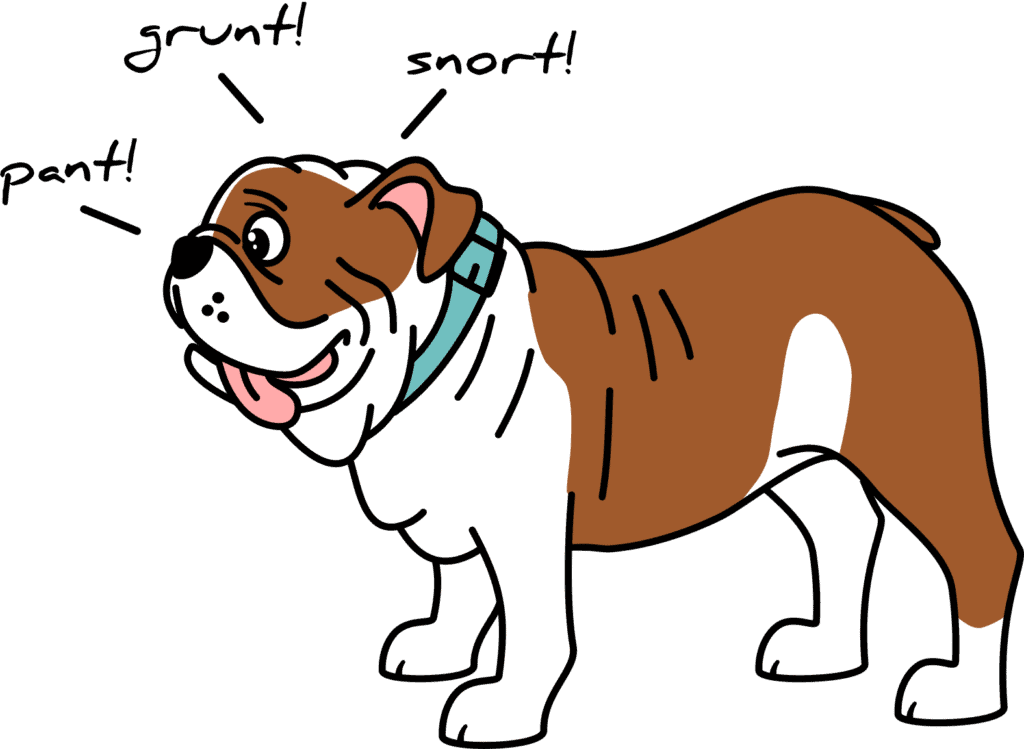
Examples: English bulldogs, boxer dogs, pugs, frenchies, Bostons
9 – High Energy Dogs

Typically, this is a cute thing to see, but, when you see it through the eyes of your reactive dog who’s not sure what’s going on, and instinctively has lower trust of other dogs, this dog begins to look like, I would imagine, how we see a nervous, twitchy addict. They’re not predictable, and consequently, they make us feel unnerved.
This is what your reactive dogs sees. Erratic movement, lack of predictability,
Examples: Spaniels, Boxers,
10 – Black Dogs
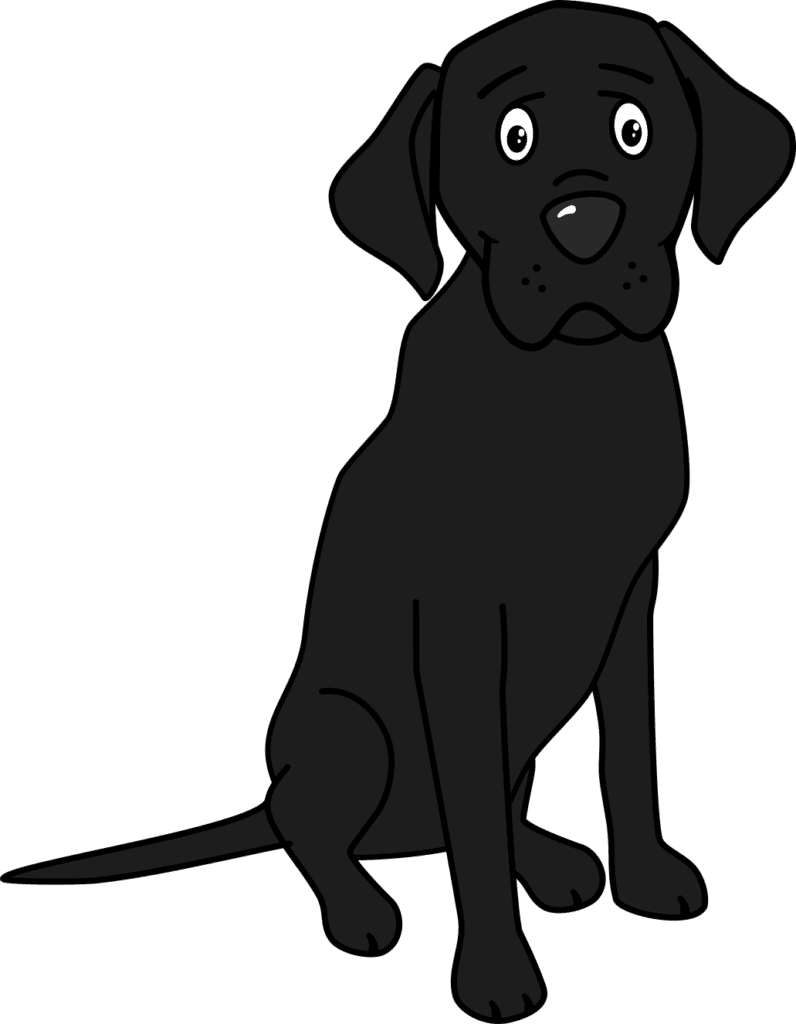
Examples: Black Labs, Black Newfoundlands, Black German Shepherds,
And Of Course, Other Reactive Dogs
Any time two reactive dogs cross paths, this is always a pretty obvious situation that is going to trigger your reactive dog. Even if it’s a low level reactivity in the other dog, a bark, or a look could be just enough to start off both dogs!
Being A Reactive Dog Parent Can Be Tough
But you can train a reactive dog. They can be given the tools to live with the world around them.
Knowing information like this is just a small part of how to help your reactive dog to live peacefully in this world. The whole experience is a tough one, it’s emotionally draining, but you can do it.
If you need support in this? That’s what I’m here for. Reach out and let’s create a plan for you and for your reactive dog to get them through this.
Author, Ali Smith
Ali Smith is the Positive Puppy Expert, dog trainer and is the founder of Rebarkable. She is passionate about helping puppy parents get things right, right from the start. To help create a puppy capable of being a confident and adaptable family member and keep puppies out of shelters.
Ali has won multiple awards for her dog training, and has had her blog (this blog!) rated as 2021 & 2022 worlds’ best pet blog!